A Monday morning
I just read Mr. Hồ Quốc Tuấn's post, a “stress vent” after a Monday morning when his schedule was wrecked. After reading it I agreed, and wrote this post right away.
He told three stories. A student sent an urgent email saying they needed help right now, then vanished, and only near noon messaged back saying… they forgot. An analyst he is mentoring, meeting a client tomorrow, panicked only today and asked to rehearse. The slide deck was beautiful, but when he asked about a few details right on the slides, the analyst couldn't answer, because most of it was done by AI. And a master's student asked him honestly: does your course have a multiple-choice exam, I'm afraid of exams.
What shocked him, and gave me a jolt too, is that these aren't weak people. They already have jobs, full scholarships, meaning they've been filtered into the “good” group. Yet turn off the AI, sit them across from a real person, and they break.
A beautiful report, and nothing remembered after reading it
I agree with Mr. Tuấn. AI easily makes us think we're good.
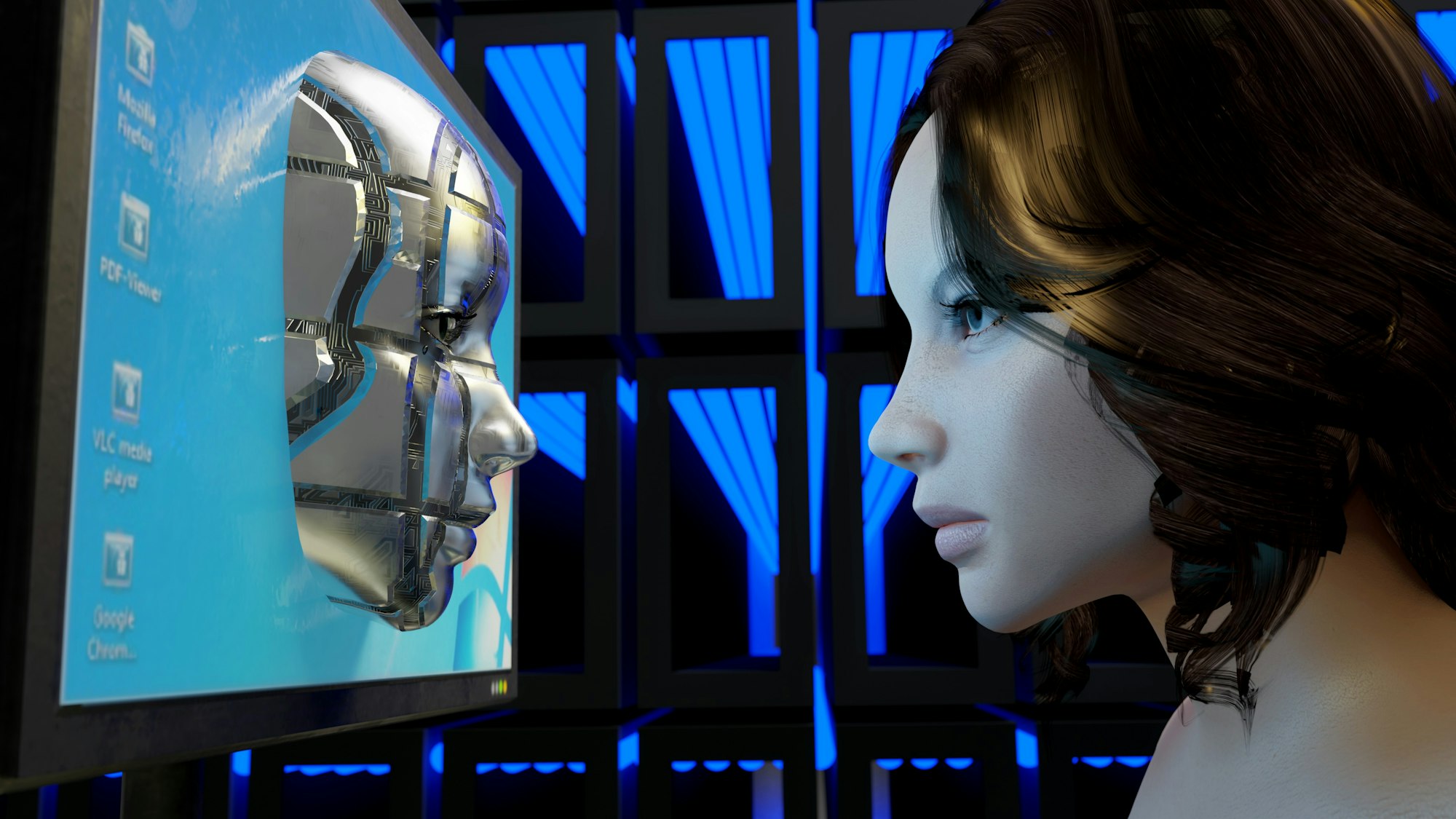
Nowadays, with just a short chat, AI returns a report that looks very professional: headings, figures, a neat conclusion. But read closely and many are hollow. It collects ideas from all sorts of sources, all sorts of fields, and stitches them into a basic summary. After reading, I couldn't remember anything. Because that knowledge didn't pass through my own hands, didn't pass through a mistake, a sitting-down-to-untangle-it, so it doesn't stick.
Knowledge that comes from a screen with no core inside can't grow. It's like a cutting stuck in the soil with no roots: it looks green, but a light wind topples it.
So here is what I think: if we can't do the real work ourselves, then AI only makes us lazier.
In the end, people only pay those who can deliver
The story finally comes back to money. Clients will have to spend money on something. And nobody spends money on a person they don't know can really deliver, based only on a few smooth words and some pretty pictures.
They want to know who you are, how you work, where you've worked, and whether you stay steady when asked a hard question. Those things can't show up through a screen. They show up when you sit across from them, when they point at a number on a slide and ask: “Where does this number come from?”
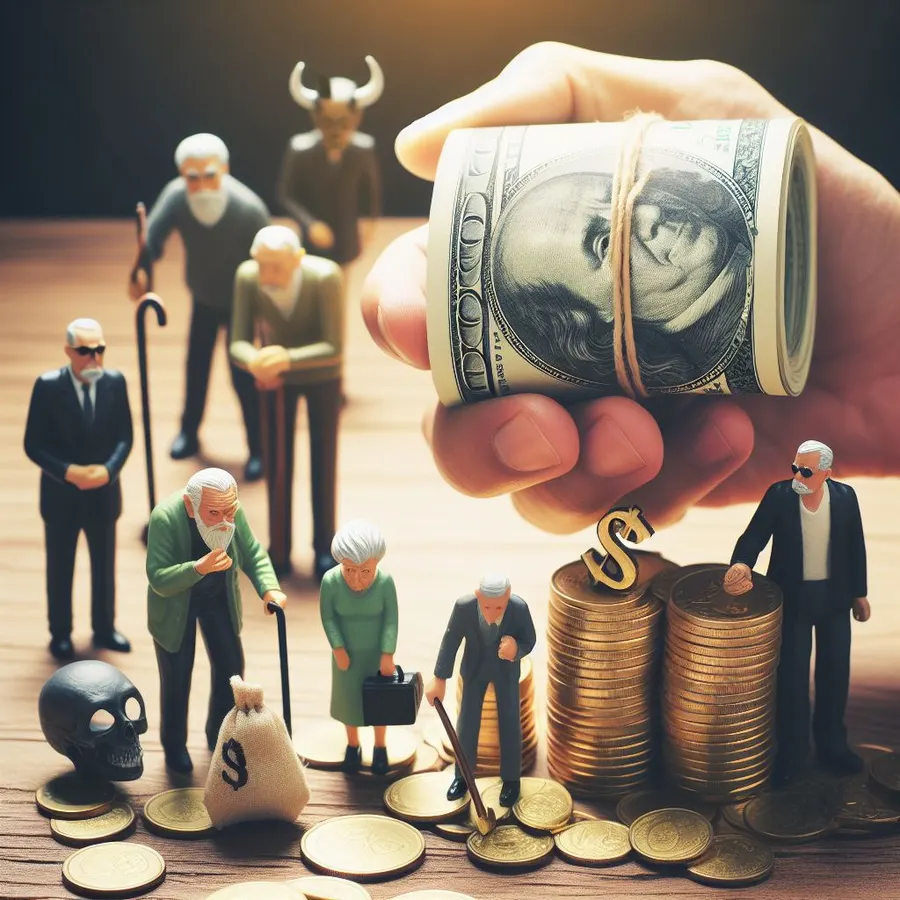
I present for the vendor, and what I fear most is not the speaking, but the Q&A. In that part no AI feeds me lines. Mr. Tuấn is also right: most big clients still want to meet in person, because the people holding the money and the decision-making power are usually the older generation, and they will keep sitting in those seats longer than we think.
In the end, people will turn to those who have mastered the technology, who have really deployed and operated systems. Not those who only work remotely and have never sat down to meet face to face.
Hands-on experience can't be downloaded
To me, in the end there are only two skills: hands-on practice, and knowing how to learn from your own experience.
There are no shortcuts to hands-on practice. It is a great many projects, a great many mistakes, nights and holidays spent working, times sitting down to untangle an incident with nobody to point the way, and then drawing out one small lesson. Little by little, over many years, those lessons stack up into the core. After more than ten years in the trade, most of what I know came that way, from construction sites, from server rooms, from the times I stood in front of clients and trembled.
AI can summarize those ten years into one page in a few seconds. But reading that page doesn't give anyone those ten years. What AI gives us is information. What hands-on practice gives us is reflexes: knowing where to look first, knowing which sentence is bluffing, knowing when to say “I'm not sure about this, let me check and get back to you.”
The better AI is, the better. But it has to be a tool in the hands of a skilled craftsman, not a replacement for the craft.
Remote isn't bad, just don't make yourself bad
For young people today, AI is both an advantage and a trap. To step past that trap, you have to practice the things AI can't do for you.
Practice meeting in person. Sit across from clients, across from your boss, answer questions without any tab already open. The first time you'll tremble, by the tenth time it'll be easier.
Practice understanding what you're studying. When you sit an exam, you must know clearly what you studied, what you're being tested on, and how it helps with your later work. If all you ask is “is there a multiple-choice exam”, then you're looking for a way to dodge, not yet learning.
Practice doing real work. Take on hard tasks, make mistakes, sit down to untangle them, then remember the lesson. Nobody can do those for you, not even AI.
Mr. Tuấn suggested a small test for managers that I really like: in a beautiful slide deck from someone on the team, point at any number and ask where this number comes from, how it was obtained. I think young people should give themselves that test with their own slides before anyone asks them.
Remote isn't bad. Working remotely gives us flexibility, saves time, lets us work with people everywhere. But don't let it become a place to hide. Don't let your ten-years-from-now self pay the price for the times today's you dodged a meeting, dodged a hard question.
Do what you love, and love what you do. And make sure you can really do it.
Inspired by the post “When young people hide behind AI and screens” by Mr. Hồ Quốc Tuấn.